
In 2025, tracking revenue collected by acquisition channel has become essential for any company that wants to stay competitive. In an increasingly digital market, understanding where revenues actually come from allows you to optimize investments and strategies.
Having a dashboard that automatically tracks all data and displays it in an easy-to-understand interface is useful for making fundamental business decisions. Only in this way is it possible to allocate resources efficiently and improve operating margin.
Companies that know how to analyze, monitor, and maximize collected revenue by acquisition channel gain a decisive advantage. In this guide you will discover the definition of collected revenue, an overview of the main channels, the most effective tracking tools, how to read the data, and strategies to optimize every outcome.
What Is Collected Revenue per Acquisition Channel?
Collected revenue by acquisition channel is one of the most relevant metrics for modern companies. In business and marketing contexts, “collected revenue” refers to the actual sum of money received by the company for the sale of products or services, as opposed to simple invoiced revenue, which also includes amounts not yet collected. In 2025, the distinction between collected revenue and invoiced revenue will be even more important, especially in the digital context where payment methods and collection times are increasingly diversified. If you want to delve deeper into the methodology and best practices, you can consult the Complete Guide to Collected Revenue by Channel.
Definition of collected revenue and its relevance in 2025
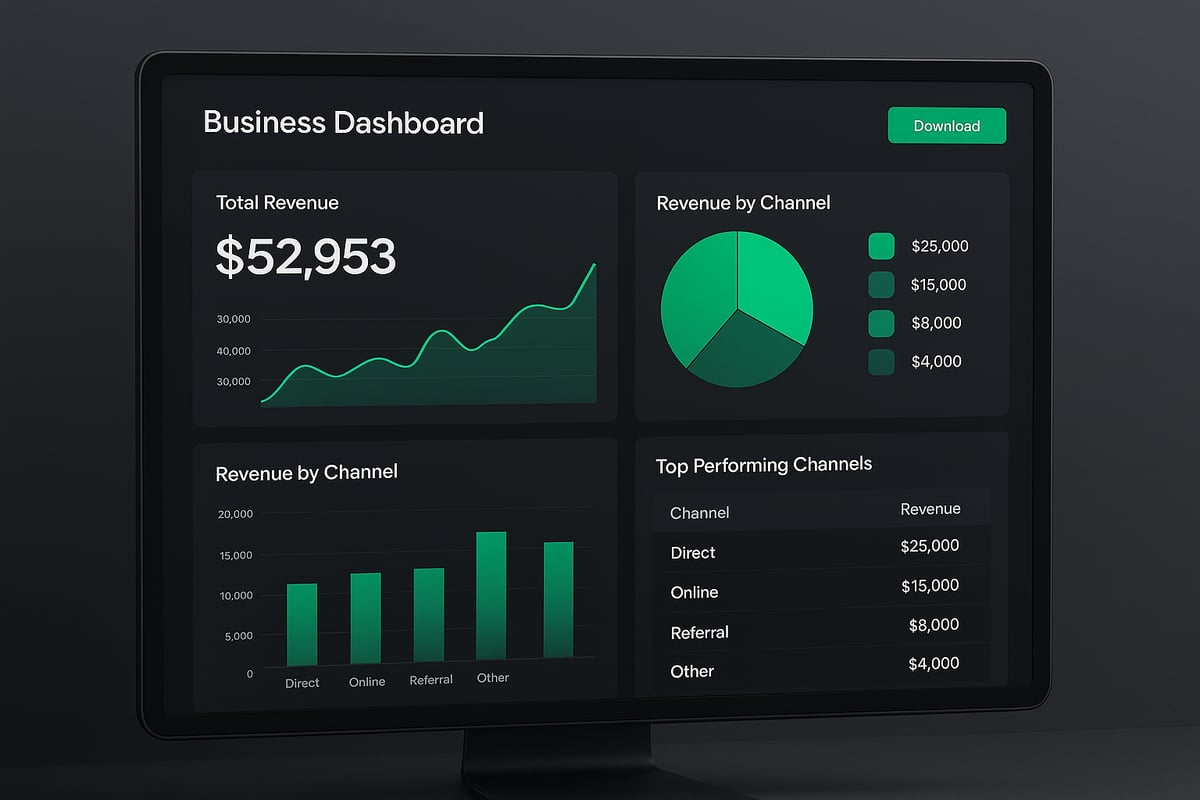
Collected revenue represents the flow of money actually received by the company after a sale, whereas invoiced revenue also includes amounts not yet collected. This distinction is fundamental for understanding real available liquidity and planning investments or expenses. In 2025, monitoring collected revenue by acquisition channel will become increasingly central for companies that want to maintain control and transparency over their income.
Main acquisition channels in 2025
In today’s landscape, the main acquisition channels include organic traffic, paid campaigns, referrals, social media, email marketing, events, and strategic partnerships. In 2025, influencer marketing will grow and omnichannel approaches will be integrated, where collected revenue by acquisition channel will be monitored across increasingly interconnected touchpoints. Companies will need to pay attention to new trends to optimize data collection.
Why segment collected revenue by channel?
Segmenting collected revenue by acquisition channel allows you to assign a precise economic value to each channel, facilitating the evaluation of return on investment (ROI). This segmentation makes it possible to identify which strategies generate concrete results and which require optimization. Monitoring collected revenue by acquisition channel provides a clear view of performance, helping to allocate budget more effectively.
Practical examples of companies tracking collected revenue by channel
Numerous companies have already adopted advanced systems to track collected revenue by acquisition channel. For example, organizations that segmented their collections saw efficiency increase by up to 30% (source: HubSpot 2023). These companies managed to improve profit margins and optimize budget distribution by choosing to invest only in the highest-performing channels.
Impacts on strategy and business decisions
Segmenting collected revenue directly influences strategic decisions. Accurate analysis makes it possible to identify which channels deserve more investment and which need review. Conversely, not properly monitoring revenue flows can lead to misallocation of resources, waste, and loss of competitiveness in dynamic markets like today’s.
Common challenges in calculating collected revenue by channel
Main challenges include multi-touch attribution, which complicates revenue division among different channels, incomplete data, and possible tracking errors. Integrated tools and clear procedures are needed to prevent fragmented or misleading information.
Terminology and related metrics
In the context of collected revenue by acquisition channel, it is essential to know terms such as Lifetime Value, Customer Acquisition Cost (CAC), conversion rate, and retention rate. These metrics help interpret data and make informed decisions, ensuring more efficient management of company resources.
How to Monitor Collected Revenue by Channel: Tools and Methodologies
Monitoring collected revenue by acquisition channel is one of the most strategic activities for those who want to make data-driven decisions. A dashboard that automatically tracks all data and displays it clearly helps identify trends, correct errors, and maximize results. Below you will discover tools, methodologies, and practical tips to gain maximum control over collected revenue by acquisition channel.
Tracking and data collection systems
To effectively monitor collected revenue by acquisition channel, it is essential to choose tools that ensure full integration between sales data, marketing data, and the customer journey. Among the most popular solutions are:
- CRM (Customer Relationship Management)
- Analytics platforms (such as Google Analytics, Adobe Analytics)
- ERP systems (Enterprise Resource Planning)
Integrating these tools prevents data fragmentation and offers a complete view of collected revenue by acquisition channel. Well-structured data collection makes it easier to attribute every euro collected to the correct channel and enables in-depth analyses.
Centralized dashboards and automation
Having a centralized dashboard is a key step to monitor collected revenue by acquisition channel without wasting time or risking manual errors. Compared to traditional Excel sheets, an automated dashboard offers:
- Immediate data visualization by channel
- Real-time updates
- Reduction of human errors
These dashboards allow you to customize reports and easily share information with all company departments. Having everything under control in a single interface speeds up any strategic decision related to collected revenue by acquisition channel.
Getinsights: the solution for automated and integrated revenue management
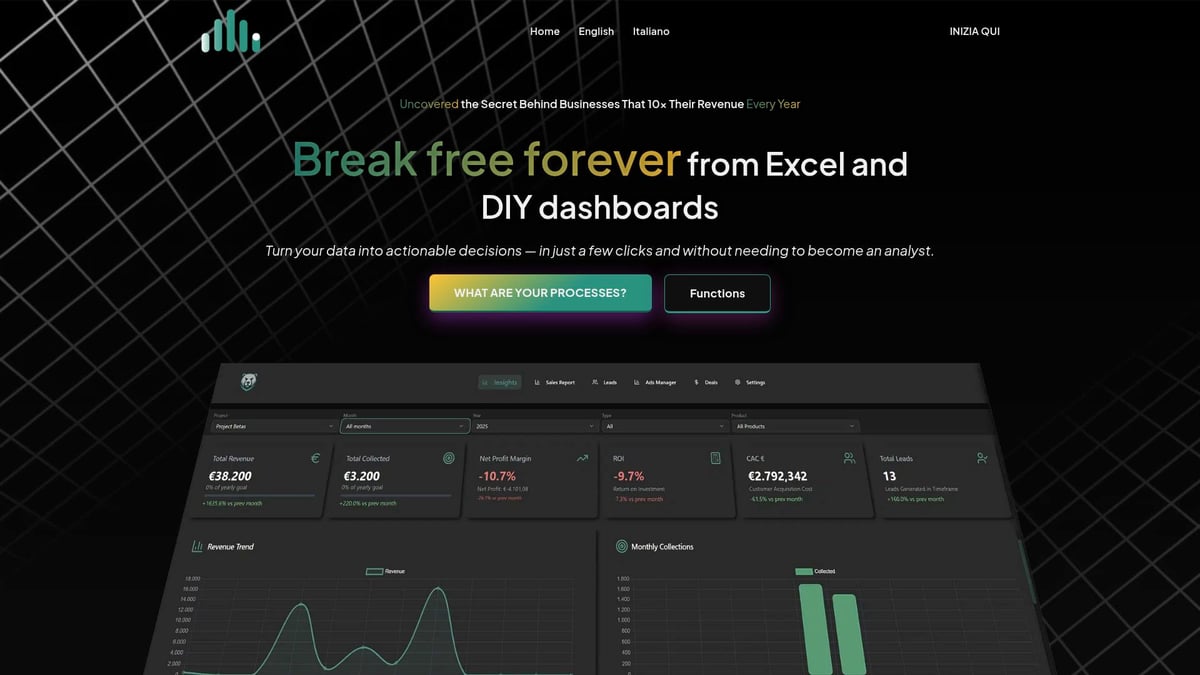
Getinsights positions itself as the reference platform for managing collected revenue by acquisition channel. Thanks to native integration with CRMs, payment systems, and analytics tools, Getinsights centralizes all data in a single dashboard.
Main features include:
- Automatic data collection from all channels
- Advanced, customizable reporting
- Elimination of Excel sheets and manual tasks
- Real-time performance monitoring
- Automatic commission generation
A practical example: a company using Getinsights can see in real time how much revenue it has collected by acquisition channel, compare results across different periods, and make quick decisions to optimize marketing strategies.
Best practices for tracking configuration
To obtain reliable data on collected revenue by acquisition channel, correct tracking configuration is essential. Here are some best practices:
- Use consistent UTM parameters and tagging across all campaigns
- Properly set up conversions in analytics platforms
- Regularly synchronize data between CRM, ERP, and marketing tools
Avoiding errors in the initial configuration prevents discrepancies in collected revenue data by acquisition channel, ensuring precise and actionable analyses.
Multi-touch analysis and advanced attribution
In the digital context, customers rarely interact only once before purchasing. Therefore, applying advanced attribution models is essential to correctly evaluate collected revenue by acquisition channel.
Main attribution models include:
- First click
- Last click
- Linear
- Data-driven
The choice of model depends on the complexity of the customer journey and business objectives. Multi-touch analysis allows you to distribute collected revenue value among the various channels that contributed to the conversion.
Data protection and privacy
Managing data related to collected revenue by acquisition channel requires attention to privacy regulations and information security. It is essential to:
- Comply with GDPR and applicable laws
- Handle user consents transparently
- Protect collected data from unauthorized access
Only with secure and compliant management can you ensure operational continuity and customer trust.
Examples of effective dashboards
An effective dashboard for collected revenue by acquisition channel must be clear, intuitive, and customizable. Key indicators to include are:
- Net collected revenue by channel
- Conversion rate
- Average customer value
- Acquisition costs
These elements facilitate comparison between channels and periods, providing concrete support for business decisions. Graphical visualization makes trends and improvement areas immediately apparent.
Data Analysis and Interpretation: How to Read Collected Revenue by Channel
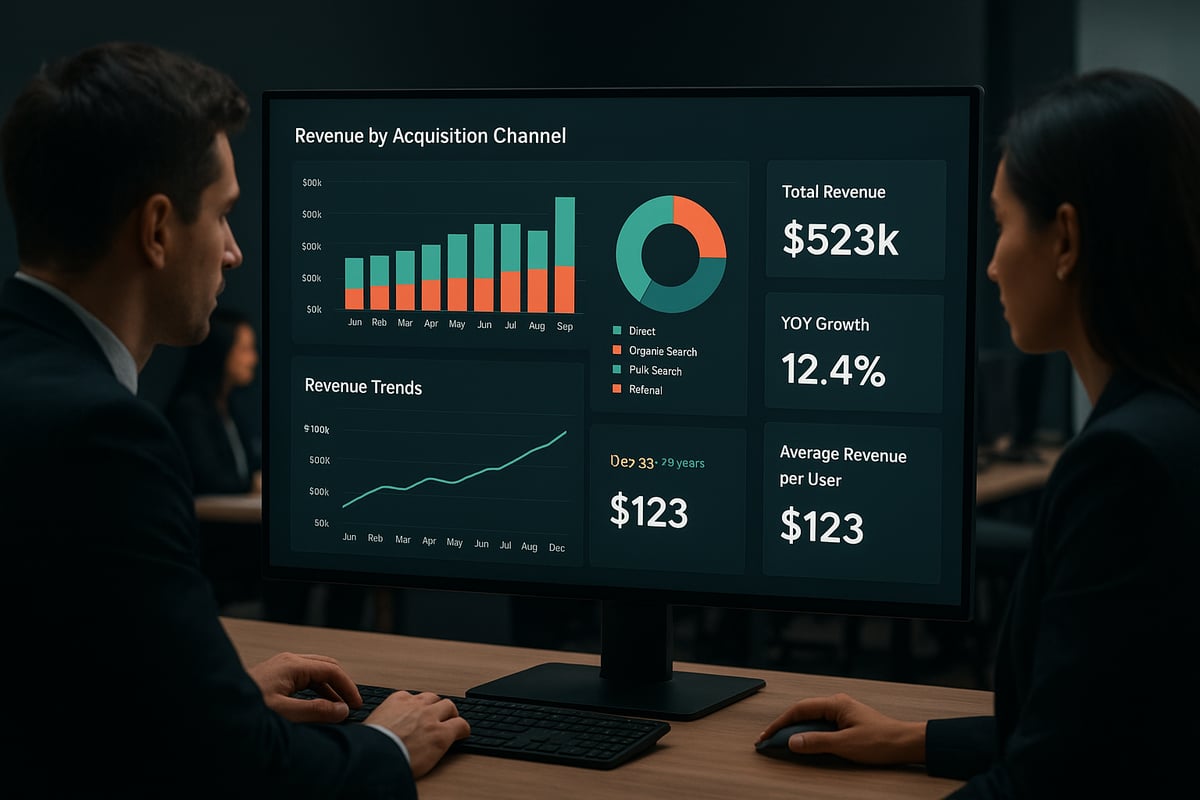
To effectively interpret collected revenue by acquisition channel, it is essential to rely on a centralized dashboard that displays data clearly and immediately. An intuitive interface enables quick and informed decisions, supporting structured business growth.
Key indicators to monitor
Monitoring the right indicators is the first step to effectively reading collected revenue by acquisition channel. Among the most relevant KPIs are:
- Net collected revenue per channel
- Conversion rate by source
- Average customer value
These data allow you to understand which channels generate real value, enabling the optimization of campaigns and investments. Regular analysis ensures that collected revenue by acquisition channel reflects actual business performance.
Advanced segmentation by customer and product type
Segmenting collected revenue by acquisition channel based on customer and product type is crucial to identify growth opportunities and improvement areas. By analyzing data by segment, you can discover which profiles or products generate the most value.
To delve deeper into segmentation methodologies and best practices, we recommend consulting the guide on data analysis and business performance. A segmented approach enhances the precision of marketing and sales strategies, making collected revenue by acquisition channel even more valuable for the business.
Reading trends and seasonality
Interpreting collected revenue by acquisition channel requires attention to trends and seasonality. Analyze flows month by month to identify recurring patterns, peaks, or drops linked to external events or specific campaigns.
A practical example is evaluating how holidays or product launches affect collected revenue by acquisition channel. This way, you can plan targeted actions during the most profitable periods.
Identifying underperforming channels
Detailed analysis of collected revenue by acquisition channel allows you to quickly identify channels that fail to meet set objectives. Warning signs include:
- Sudden drop in collections
- Increase in acquisition costs
- Decrease in conversion rate
Timely identification of these signs enables rapid intervention, reallocating resources to more profitable channels.
Predictive analysis and forecasting
Using artificial intelligence tools makes it possible to predict future performance of collected revenue by acquisition channel. Machine learning algorithms analyze historical data to anticipate fluctuations and suggest investment strategies.
Implementing accurate forecasts helps plan budgets and minimize risks, ensuring proactive management of collected revenue by acquisition channel.
Common mistakes in interpreting data
Among the most common errors in analyzing collected revenue by acquisition channel are:
- Overestimating performance of certain channels
- Confusing correlation with causation
- Using incomplete or outdated data
To avoid these mistakes, always verify data quality and apply cross-checks among different sources.
Practical examples of analysis
A real case: a company redistributed its marketing budget after analyzing collected revenue by acquisition channel and discovered that the referral channel had a higher ROI than social media. This led to a 20% increase in total collected revenue in the following quarter, demonstrating the value of accurate and timely analysis.
Strategies to Optimize Collected Revenue by Channel in 2025
Optimizing collected revenue by acquisition channel in 2025 means adopting targeted, integrated, and data-supported strategies. Companies that manage to proactively monitor and optimize each channel achieve tangible results, improving both profitability and market competitiveness.
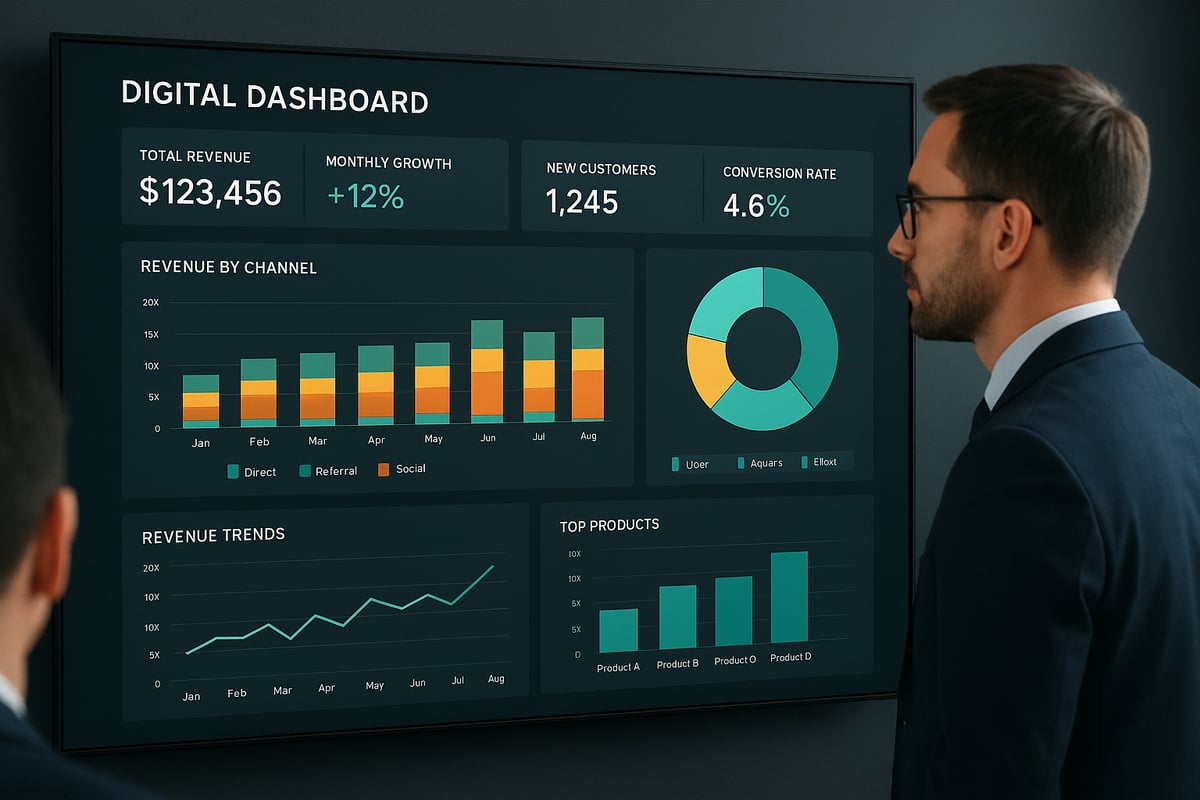
A centralized dashboard that updates all metrics in real time is fundamental. It allows you to quickly identify opportunities and make data-driven decisions, reducing the risk of errors and budget waste.
Optimizing digital channels
To increase collected revenue by acquisition channel, you need to invest in the most effective digital channels. SEO and SEM help capture active demand, while social advertising and email automation keep customers engaged and stimulate new conversions.
It is important to constantly analyze data to identify which channels generate the highest margin. A data-driven approach allows you to allocate budget where returns are greatest. To deepen analysis and revenue management, see the guide on Invoiced Revenue by Acquisition Channel.
Leveraging omnichannel and customer journey
Integrating all touchpoints, both online and offline, is essential to maximize collected revenue by acquisition channel. Every touchpoint must be monitored and optimized, creating a seamless and coherent customer experience.
Personalizing interactions with advanced CRM systems increases the likelihood of conversion and loyalty. Analyzing the customer journey helps identify key moments to intervene and increase average value per user.
Reducing acquisition costs and increasing customer value
Reducing CAC and increasing lifetime value are two levers essential to improving collected revenue by acquisition channel. Upselling and cross-selling strategies, combined with retention programs, allow you to extract more value from each acquired customer.
Automating post-sale communications and segmenting offers based on purchase behavior are effective tactics to optimize every point of the customer journey.
Automation and artificial intelligence
Automation and the use of artificial intelligence simplify monitoring of collected revenue by acquisition channel and help anticipate trends. Chatbots, predictive analytics, and marketing automation tools reduce operational workload and improve decision quality.
AI can analyze large volumes of data in real time, identify hidden patterns, and suggest timely interventions to maximize revenue across each channel.
Continuous testing and experimentation
Improving collected revenue by acquisition channel requires a culture of constant testing. Implementing A/B tests on campaigns, analyzing results, and adopting an incremental approach allows you to quickly identify the most effective strategies.
Each channel should be evaluated according to specific KPIs, testing variables such as message, offer, layout, and timing of communications. The speed of adapting strategies is a competitive advantage.
Partnerships and emerging new channels
Exploring strategic partnerships and new channels, such as influencer marketing and marketplaces, can lead to significant growth in collected revenue by acquisition channel. Collaborations allow access to new audience segments and diversify revenue sources.
Monitoring performance of these emerging channels is crucial to understand where to invest resources and which partnerships to consolidate over time.
Periodic monitoring and strategy review
Regular monitoring of results is crucial to optimize collected revenue by acquisition channel. Monthly and quarterly reports help evaluate strategy effectiveness and adapt quickly to market changes.
Comparing your KPIs with industry benchmarks allows you to identify strengths and improvement areas, maintaining a competitive edge. Periodic strategy reviews ensure that each channel contributes effectively to business objectives.
Best Practices and Operational Tips for 2025
Ensuring success in monitoring collected revenue by acquisition channel in 2025 requires attention to detail and well-defined operational strategies. Having a dashboard that automatically tracks all data and displays it in an easy-to-understand interface is useful for making fundamental business decisions. In this section, we explore the most effective best practices to optimize processes, tools, and company culture.
Focus on quality and up-to-date data
Data quality is the foundation for any effective analysis of collected revenue by acquisition channel. Using reliable, up-to-date sources prevents errors in evaluations and strategies. It is essential to periodically verify data accuracy, eliminating duplicates and obsolete information.
Using updated reports, such as the ECB Annual Report 2024, helps understand the latest trends in digital payments and market infrastructure evolution. Only with high-quality data can you make truly strategic decisions about collected revenue by acquisition channel.
Team training and data-driven culture
Investing in team training is essential to make the most of collected revenue by acquisition channel. A data-driven approach enables critical reading of data, identifying opportunities and improvement areas. Organize internal workshops, update skills on analytics tools, and promote a culture where every decision is supported by concrete data.
It is useful to consult institutional documents, such as the ECB Annual Supervision Report 2024, to deepen information management methodologies and strengthen data governance practices.
Integration between marketing, sales, and finance departments
Collected revenue by acquisition channel should be monitored cross-functionally across different departments. Marketing, sales, and finance must share objectives, KPIs, and tools to ensure a complete and integrated view of performance. This approach reduces information silos and increases the company’s responsiveness to market changes.
Encouraging regular meetings and shared dashboards facilitates collaboration and timely strategic decisions. An integrated information flow is the key to effective management of collected revenue by acquisition channel.
Automation of reports and commissions
Automating reporting and commission calculation saves valuable time and drastically reduces errors. Using advanced platforms, you can obtain personalized, real-time reports on collected revenue by acquisition channel.
This approach also allows monitoring trends and anomalies without manual intervention, improving the timeliness of corrective actions. Automation frees up resources that can be dedicated to high-value activities.
Dashboard personalization for business roles
Each business role has different informational needs. Personalizing dashboards allows managers, sales teams, and marketing teams to view only the data relevant to collected revenue by acquisition channel. This improves information comprehension and speeds up decision-making.
Key elements to include:
- Role-specific indicators
- Automatic alerts on critical KPIs
- Role-based data access
KPI monitoring and benchmarking
Monitoring key KPIs related to collected revenue by acquisition channel is essential to evaluate performance. Comparing your results with industry benchmarks, supported by authoritative sources like the ECB Annual Report 2024, helps identify strengths and improvement areas.
Creating comparison tables between various channels and historical results allows you to quickly spot trends and take targeted corrective actions.
Operational checklist for monitoring collected revenue
To ensure effective monitoring of collected revenue by acquisition channel, follow this checklist:
- Collect data from reliable, integrated sources
- Verify data quality and freshness
- Analyze performance for each channel
- Share results with all involved departments
- Regularly update dashboards and reports
- Take prompt corrective actions in case of deviations
Following this checklist keeps every phase of the process under control and maximizes the value of collected revenue by acquisition channel.